Biomechanical Assessments & Orthotics
Biomechanical issues in the feet can affect the entire body — from the ankles and knees to the hips and lower back. At B-Foot Clinic we use 3D laser scanning and computerized pressure platform technology to identify structural abnormalities and design precision orthotic solutions.
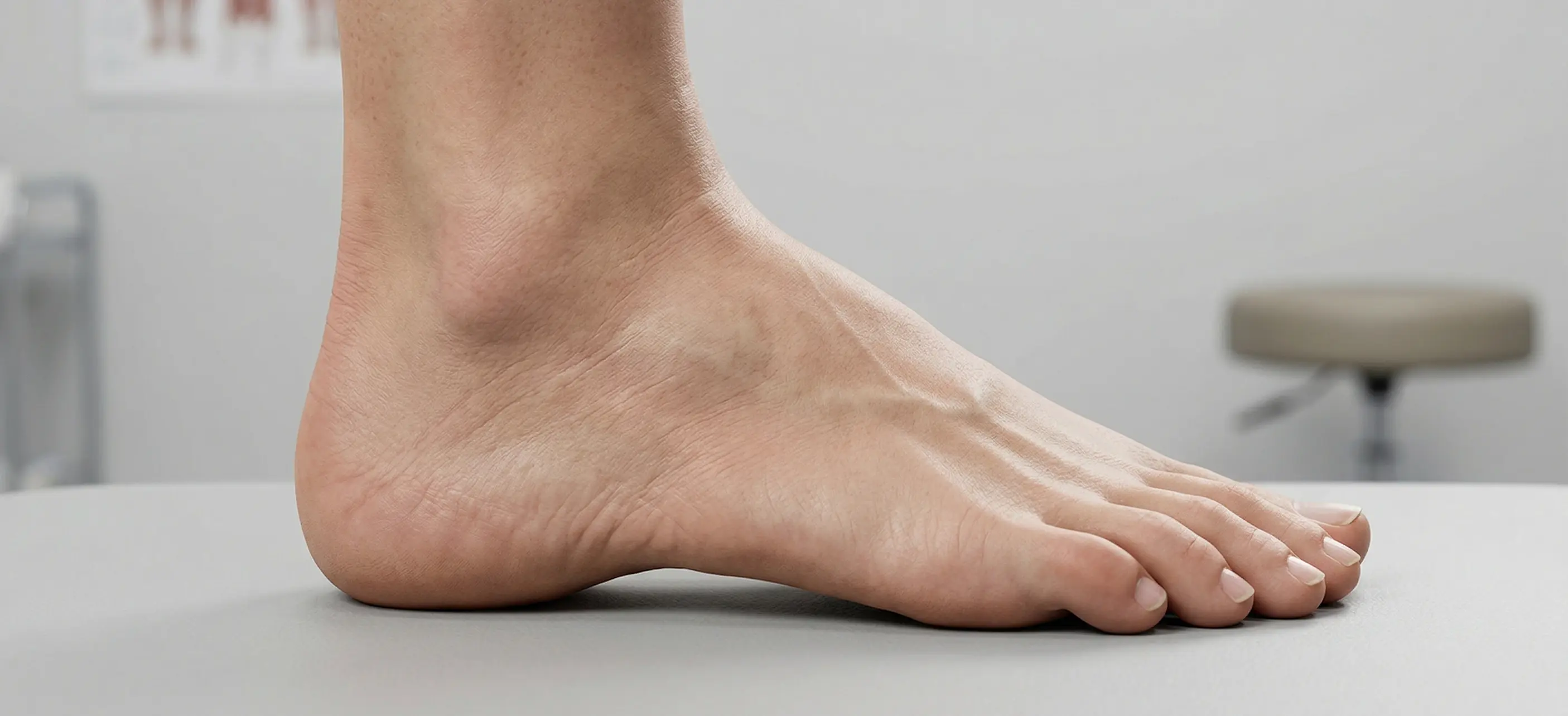
High Arches (Pes Cavus)
On a typical foot, the arch extends from the ball to the heel. With high arches (pes cavus), the foot’s sole becomes distinctly convex, curving dramatically inward, when carrying weight. Different biomechanical structures of the foot may be presented as a high arch.
While patients with high arches may be asymptomatic (showing no symptoms), many suffer debilitating foot pain. Occasionally discomfort will extend to the back, but this is generally not crippling. High arches can also be accompanied by hammer toe, which also causes pain and discomfort. Ankle arthritis and Achilles tendonitis can surface later in life.
The biggest obstacle patients face is a proper diagnosis of their biomechanical structure that need to be addressed by proper conservative treatment, including custom made orthotics and orthopaedic footwear.
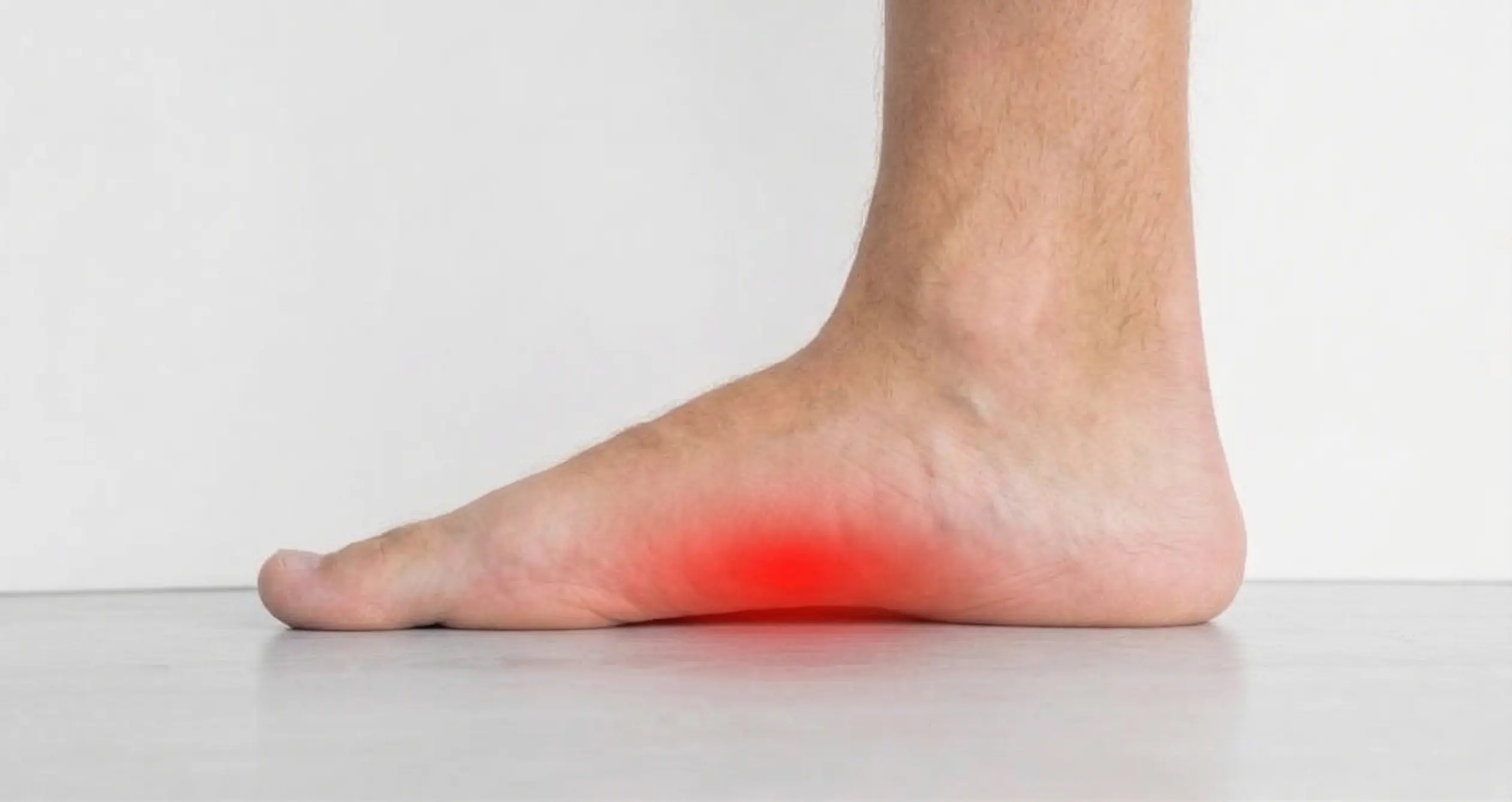
Flat Feet (Pes Planus)
Flat feet are a structural abnormality where the foot's metatarsal bones are collapsed, bringing the entire, or nearly entire, sole to the ground. The foot does not have its usual arch and thus becomes "flat". Similar to high arches, flat feet can be asymptomatic. However, because of its irregular shape, flat feet can cause improper function in muscles, tendons, and ligaments, resulting in pain, cramping, fatigue, and tiredness.
Both high-arched and flat feet are hereditary, each with a unique set of symptoms. Often, orthotics (custom shoe inserts) are made to ease problems associated with these conditions. Patients should ensure their orthotics are made by a chiropodist/foot specialist.
We're able to precisely diagnose biomechanical conditions. By using pressure platforms and laser scanners, we're able to produce accurate orthotics that will correct and/or accommodate the biomechanical structure causing the high or flat arch.
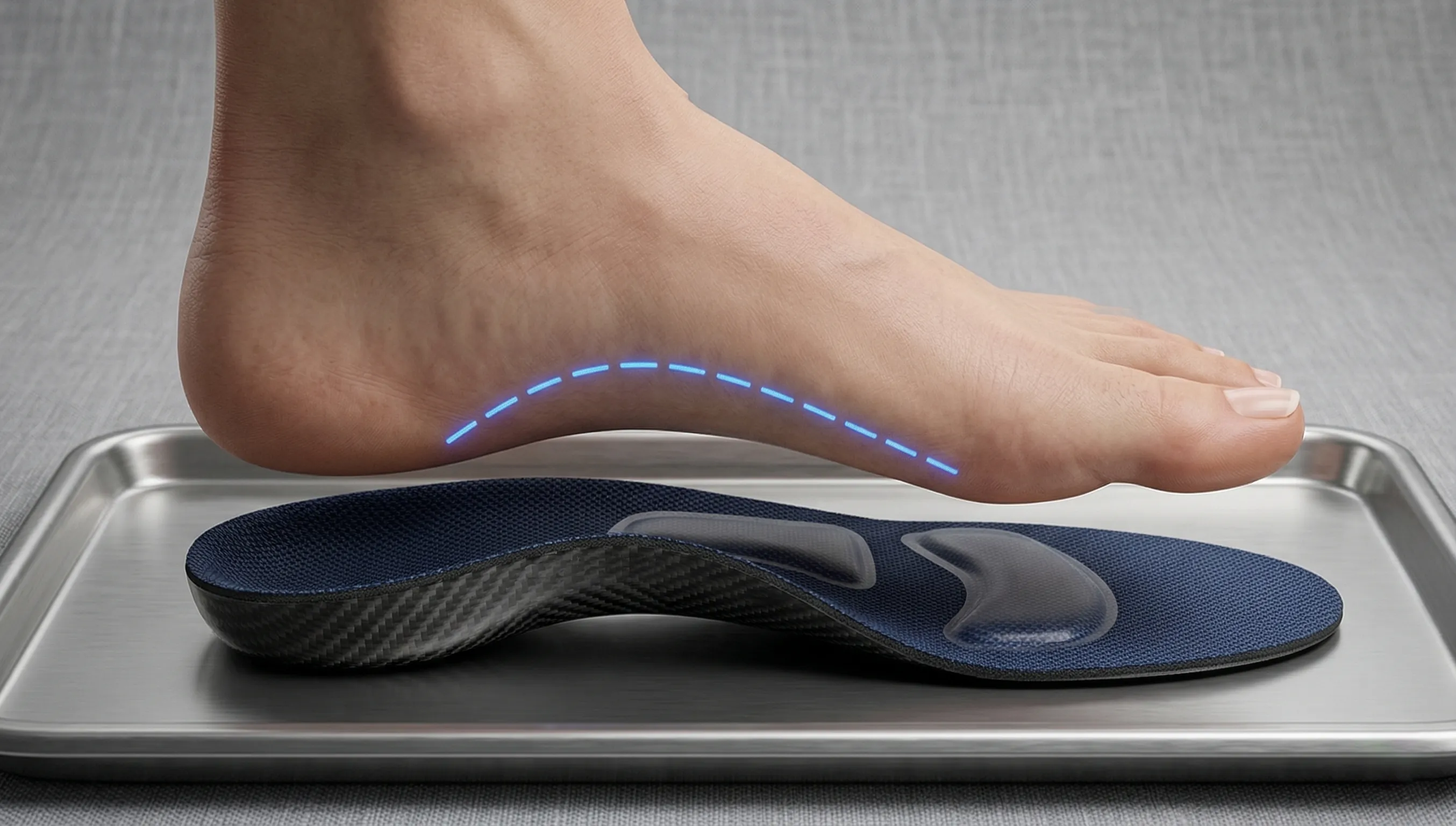
Custom Orthotics
Foot orthotics are more than just insoles — they are part of a strategic treatment plan. They are essential tools used to correct many biomechanical conditions, including improving foot biomechanics, balancing plantar pressure, redistributing body weight, redirecting pressure off painful lesions, and addressing rotational issues, flat feet and growing pains.
Facts About Orthotics:
- Orthotics are integral for correcting both dysfunctions in lower extremities and poor foot biomechanics
- Orthotics are made from negative casts to improve the biomechanics of feet
- Prescription should only be made after accurate biomechanical assessment and gait analysis
Chiropodists have extensive knowledge of biomechanics and are the most qualified to prescribe and dispense orthotic devices. Through 3D laser scanning systems and plaster casts, we customize corrective orthotics and ankle-foot braces, which are also eligible for insurance coverage. Most insurance companies require biomechanical assessment, gait analysis and a prescription written by the chiropodist. Speak with a chiropodist for more information.
Back to All Services
Not Sure Which Service You Need?
Contact us and let us assess your condition. We'll recommend the best treatment plan for your specific needs.
Contact Us