Heel & Nerve Pain
Heel and nerve pain can make every step unbearable. We diagnose the root cause of your discomfort and develop a targeted treatment plan — combining manual therapy, orthotic support, and patient education to get you back on your feet.
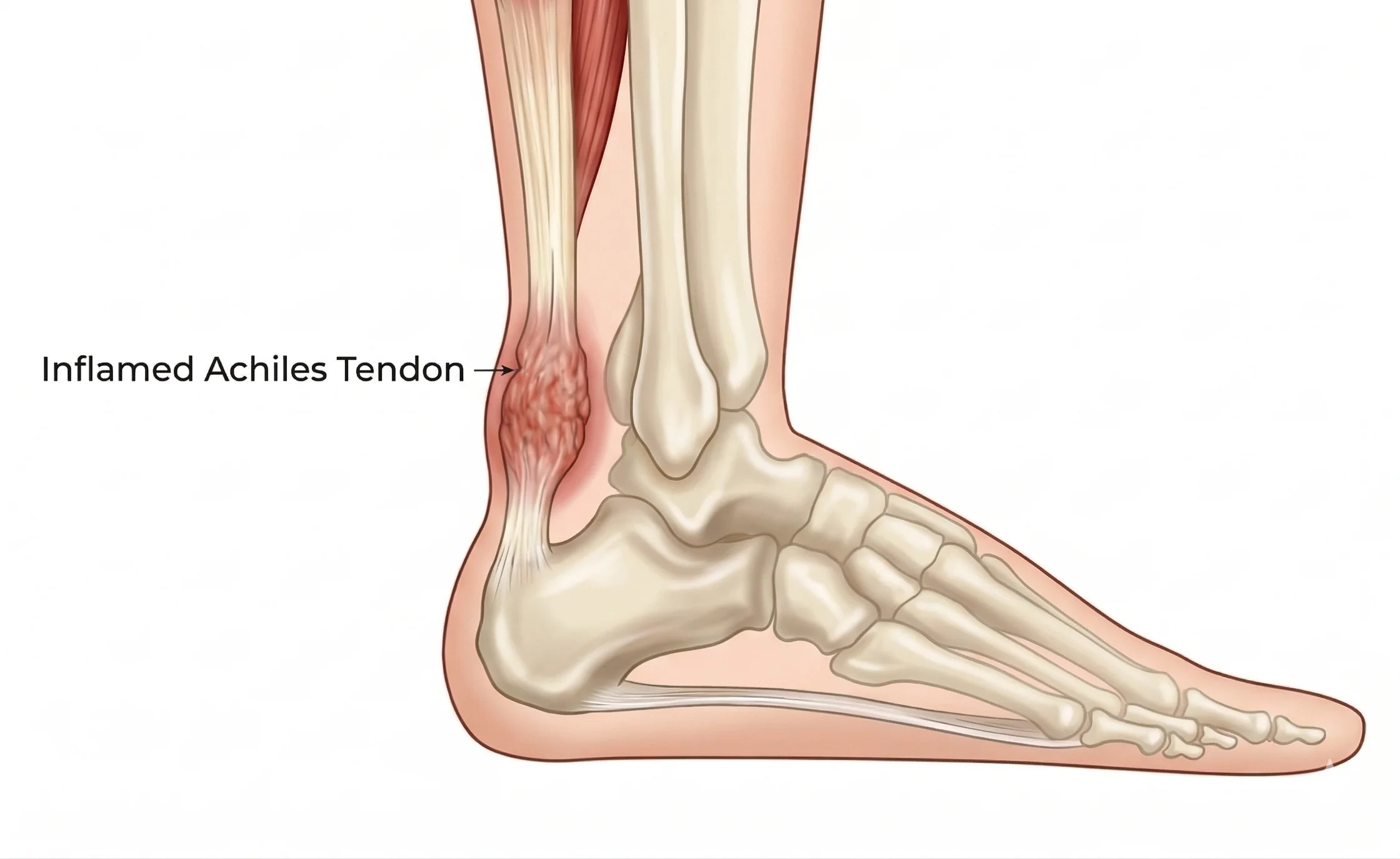
Achilles Tendonitis
Achilles tendonitis is an injury resulting from overworking the Achilles tendon, which connects the calf muscle to the heel bone. Symptoms include pain, stiffness, thickening of the tendon and swelling, all at the connection of the tendon and heel bone. Discomfort usually surfaces the day after physical activity and will worsen with more action.
Plantar Fasciitis
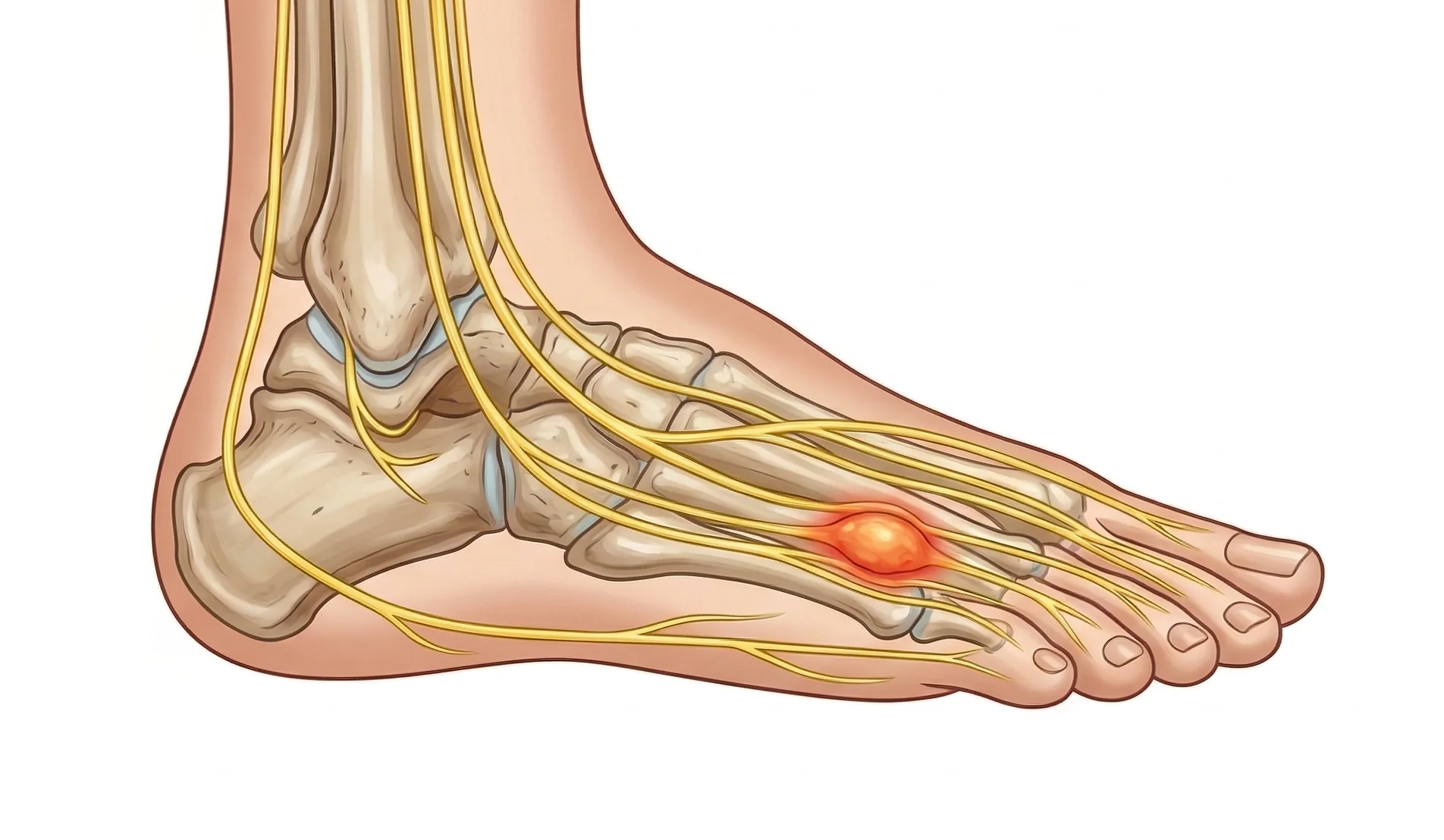
Morton's Neuroma
Morton's neuroma, also known as plantar digital neuroma, is a spasmodic neurological pain (sudden, involuntary muscle contraction) that occurs in the forefoot. While neuromas are classified as non-malignant tumours of the nerve, Morton's neuroma, however, is not a tumour — it's a thickening of skin around the digital nerve. Typically, Morton's neuroma displays no visual symptoms. Instead, patients will experience numbness or discomfort in the toes, a burning sensation spreading from the ball of the foot into the toes, and even a shocking sensation that travels through the foot and up the leg. Patients normally feel these sensations in the 2nd-3rd or 3rd-4th spaces between toes. These pains often dissipate by removing footwear. Treatment often includes wearing shoes with little or no heels and a soft, broad toe. If pain and swelling is severe, corticosteroid injections may be recommended to curtail or minimize symptoms.
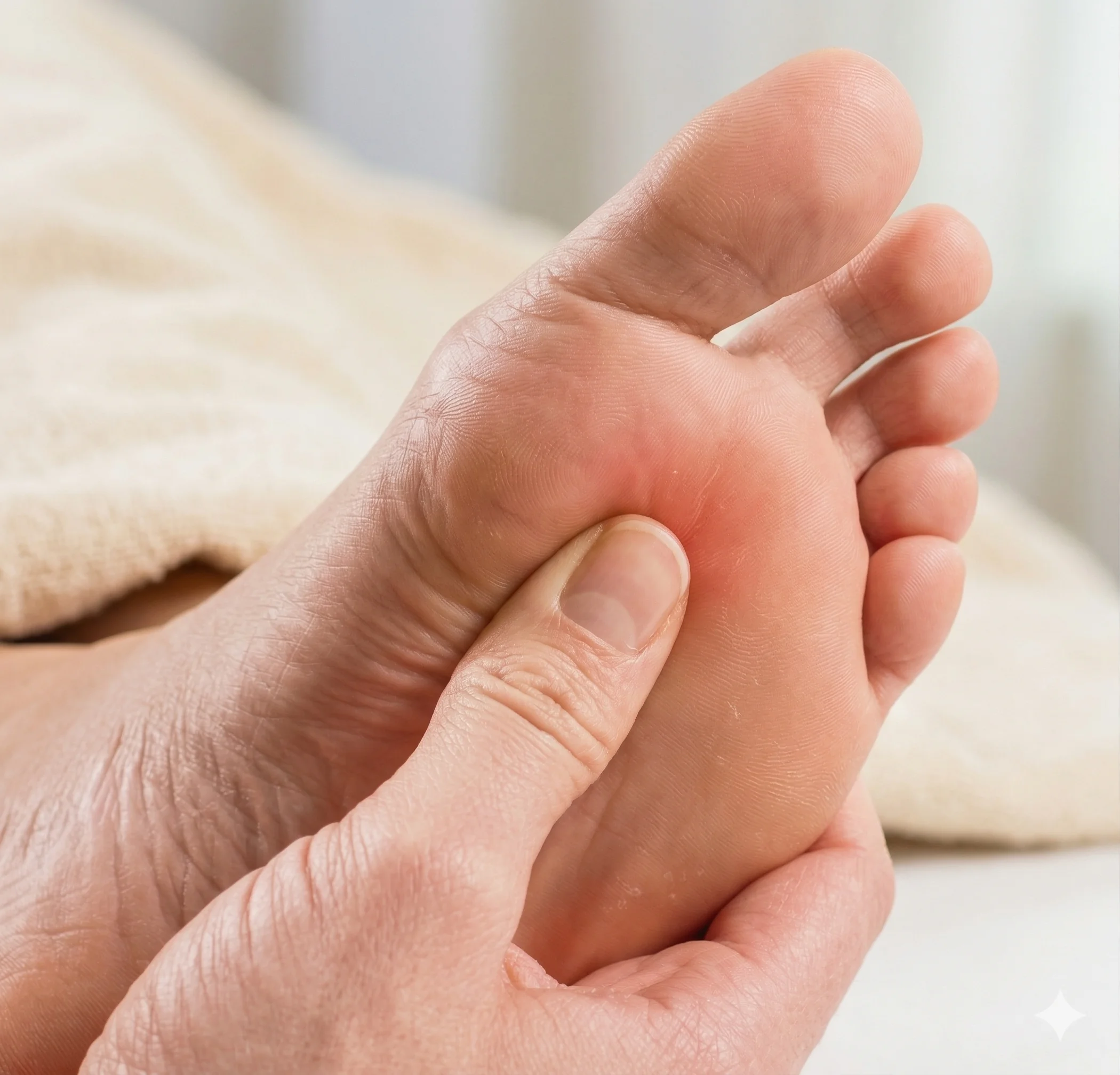
Metatarsalgia
Metatarsalgia, also known as "stone bruise," refers to any pain affecting the ball of the foot (the metatarsal region). It is a common overuse injury causing inflammation in the ball of the foot, often assumed to be a symptom of another condition as opposed to a specific disease itself. Athletes involved in high-impact sports are prone to foot injuries, metatarsalgia being one of them. The primary symptom is pain in one or more metatarsal bones that intensifies when walking or running. Ordinarily, pain gradually builds over several months as opposed to immediately appearing. Orthotic devices can assist the rehabilitation process, and patients should consult a chiropodist for proper diagnosis and treatment recommendations.
Not Sure Which Service You Need?
Contact us and let us assess your condition. We'll recommend the best treatment plan for your specific needs.
Contact Us